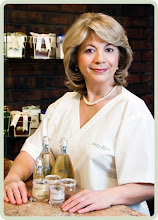
The Lavie Organique Blog has moved!

Please visit our new blog at
http://blog.lavie-organique.com/
and update your bookmarks accordingly.

Wednesday, November 4, 2009

White Tea Part I: The Perfect Winter Pick-Me-Up


For generations of British subjects and ancient Chinese sages alike, there’s only one certain cure for whatever ails you. When all else fails, have a cup of tea. But does tea deserve its reputation as the perfect holistic remedy? I think it does—which is why my own prescriptions for a happy healthy winter include curling up on the sofa with a mug of hot tea. This year, I’ve also been suggesting my clients try a variety of tea that’s relatively new to the American market--white tea.


White tea comes from the immature leaves of the same tea bush, Camillia ginensis, that’s used to make green tea. While we’ve all heard a lot about the benefits of green tea, it turns out that white tea may be an even healthier choice. After harvesting, white tea undergoes only minimal processing. Because it’s left closer to its natural state than green or fermented versions, white tea has a more delicate taste—and a significantly higher concentration of antioxidant flavanoids. 


The antioxidant activity of  these plant-derived nutrients plays a vital role in the healthy functioning of our body by
·      enhancing immune response
·      improving cell-to-cell communication
·      regulating estrogen metabolism
·      inhibiting tumor growth
·      repairing free radical damage

Flavonoids also have anti-bacterial, anti-viral, anti-tumor, anti-inflammatory, and antiallergenic effects. Scientific studies indicate that their ability to prevent blood clots may help decrease the risk of strokes. Research also suggests that high flavanoid intake may help prevent heart attacks and cancer as well. With all  these beneficial effects, it should come as no surprise that drinking white tea is also good for your skin.

But it’s not just the physical but also the mental effects of white tea that make it such a potent holistic remedy. In China, tea was originally used as a medicine for improving mood and mental prowess, as well as eyesight and digestive and kidney function. Tea’s association with an alert, yet calm and harmonious mental state persisted in Chinese Buddhism, Taoism, and Confucianism. Monks in China and other countries where these religions are practiced continue to rely on tea as an aid to meditation. In fact, in Taoist tradition, the very act of preparing and drinking tea has been refined and ritualized as a form of meditation. This link between tea drinking and mental clarity is now supported with scientific studies on the antioxidant properties of flavanoids that show these free radical scavengers can help reduce age-related memory problems, as well as the fatigue, irritability, and sadness associated with depression.

Today’s scientists have also discovered that putting white tea extracts on our bodies as well as in them can also help promote radiant, youthful-looking skin. In fact, white tea leaf extract is an important ingredient not only in my organic peels and Lavie Organique™ Exfoliating Mask but also in  my skin creams and serum. I’ll tell you more about how this organic extract can enhance your skin care regimen in my next blog spot.

In the meantime make yourself a nice cup of white tea. But instead of gulping your daily dose of anti-aging nutrients on the run, keep in mind the gentle rhythms of the Taoist tea ceremony, and as you enjoy the taste, imagine the warm, fragrant liquid dissolving your mind and body into the eternal universe.


Labels: , , , , , ,

Wednesday, October 28, 2009

Putting the Heat on Dull Wintertime Skin


Did you know that adding a little spice to your wintertime exfoliation program can do wonders for your skin?  One of the active in ingredients in my signature organic peels  and LaVie Organique™ Exfoliating Mask  is paprika. In addition to vitamin A and other plant-derived  antioxidants, paprika contains capsaicin—the secret of the many pepper-based folk remedies used to treat a myriad of maladies from arthritis to psoriasis.

The hot, sweaty faces of customers at a chili stand or Indian restaurant are living proof of the powerful effects on capsaicin on the skin. Capsaicin is a vasodilator. This class of chemicals relaxes the smooth muscle cells of blood vessels and by widening the vessels, increases blood flow. When a vasodilator is applied topically, it stimulates blood flow in the capillaries that bring oxygen and nutrients to and remove waste products from our skin. University College of London researchers found that topical application of
capsaicin increased cutaneous blood flow by as much as 300%.

If you’ve ever looked in the mirror after a vigorous bout of exercise, you’ve seen the amazing boost that increased blood flow gives to your skin. Best of all, with exfoliation products that contain capsaicin as well as enzymes, your skin enjoys the synergistic revitalizing effects of two potent plant-based ingredients. In combination, the ability of each of these organic extracts to promote cell renewal and overall skin health is enhanced, producing results greater than the sum of the effects of each. In other words, what you get is exactly what you want: the fresh glow of healthy, young-looking skin that comes from a balanced approach to skin care. 

Labels: , , , , ,

Friday, October 23, 2009

Fruit and Milk Enzymes: A Balanced Diet for Your Skin


The transformative power of my salon organic peels and LaVie Organique™ exfoliating mask comes from the ability of enzymes to stimulate cellular activity. But not all enzymes are created equal. The special revitalizing power of the food-derived enzymes malic acid and lactic acid is a case in point.

With the malic acid from the fresh apples and quince in my enzyme peels and LaVie Organic mask, you get far more than safe, effective exfoliation. This remarkable alpha hydroxy acid (AHA) plays a crucial role in cellular metabolism, the cycle of energy production that fuels healthy respiration and circulation. In addition to regulating cell function, malic acid refreshes parched, tired skin with a potent antioxidant cocktail and long-lasting hydration.

To create the ideal balance of nutrients for your skin, I complement the fruit acids in my organic peels with lactic acid  from fermented milk. The ability of this AHA-rich food to smooth rough, wrinkled skin  has been famed since Cleopatra made milk baths the favorite skin pick-me-up of the ancient world’s beautiful people. In addition sloughing off dead skin cells, lactic acid both moisturizes and tones the skin. Its astringent and antibacterial characteristics help prevent acne breakouts by fighting infection and controlling excess sebum production.

In combination, these two enzymes provide a holistic exfoliation treatment that not only removes the worn-out layer of outer skin, but also restores the proper balance of moisture and nutrients to stimulate the growth of fresh, resilient skin cells. Although a series of these peels may be required to achieve optimal results, the investment in time is worth it. You have nothing to lose but the risks of a quick beauty fix, and all the benefits of time-honored all-natural anti-aging solution to gain!         

Labels: , , , , , , ,

Saturday, October 17, 2009

The Three Faces of Exfoliation: Part 3


Enzymes: A Uniquely Effective Approach to Exfoliation


If you’re wishing someone would invent an effective anti-aging exfoliation treatment without the side effects of harsh synthetic acid peels, you’ll be glad that nature has already provided the perfect solution—enzymes. The enzymes used in exfoliation treatments come foods we eat such as fruits, vegetables, and milk and contain alpha hydroxy acids (AHAs) that speed up cell turnover. While the enzyme approach achieves its effects more gradually than invasive chemical peels, the additional benefits it confers on your skin are more than worth it.

What’s so different about enzymes? Unlike synthetic chemicals, enzymes are familiar to our bodies. Many enzymes are regularly introduced to our bodies through our diet. Some of them are also produced by our own cells and play a major role in the digestion of nutrients, detoxification, and energy production. As a result of this ability to stimulate healthy cellular activity, enzymes are a highly effective way to achieve significant positive changes in our skin.

 In the article "Skin Exfoliation," scientist Diana L.Howard Ph.D., of the International Dermal Institute explains that the AHAs in enzymes exfoliate the skin in a unique way. According to Dr. Howard,  “Some researchers believe the mechanism of action for AHAs cannot be tied solely to stimulation of the skin as measured by traditional cell renewal techniques.” She notes that studies suggest that AHAs may disrupt the “glue-like bonds” between dead skin cells, “causing a burst in skin exfoliation.” Howard points out that “it is often said that AHAs affect the skin from the inside out because of the suggestion that they influence corneocyte [dead skin cell] cohesion at the lower layers of the stratum corneum [outermost skin]. The result is a thinner stratum corneum, which is more flexible and compact, reflects more light and overall gives the skin a more youthful appearance.”

But the unmatched revitalizing power of enzyme peels and masks doesn’t end there. The special properties of some enzymes also contribute greatly to healthy functioning of the skin. In my next post I’ll explain the unique benefits of the natural enzymes used in my salon organic peel program, as well as in my LaVie Organique™ exfoliating mask.

Labels: , , , , ,

Wednesday, September 9, 2009

Can an Apple a Day Keep Age Spots Away?

While freckles or age spots may bother us, in the majority of cases, they’re perfectly harmless. As I explained in my last post, blotchy areas of darkened skin are most often the result of an interaction between solar radiation and the type of melanin cells we’ve inherited. Facial hyperpigmentation may also signal natural hormonal changes. Melasma, “the mask of pregnancy,” is one such benign condition that occurs in approximately 65% of expectant mothers. 
Nevertheless it’s important to be aware that not all brown spots are normal. Some may indicate serious health problems. A dark spot with irregular borders could, for instance, be a malignant melanoma. Among the many other serious diseases associated with hyperpigmentation are Addison’s disease, lupus, scleroderma, and diabetes. Any change in skin pigmentation that comes on suddenly or looks unusual warrants a visit to your physician.
If your areas of hyperpigmentation are the natural, normal kind, does that mean you just have to live with them? The fact is age spots are a stubborn—but far from hopeless—problem. While increased melanin production is the best-known contributor to the development of age spots, another culprit is implicated as well. Known as the “age pigment,” lipofuscin is make up of oxidized fat and other dark-colored wastes that accumulate in our cells as we grow older. Sun exposure and an unhealthy lifestyle also contribute to and hasten the buildup of these free radicals in aging cells. Scientific studies, including one on the effects of grape seed extract on lipofuscin formation, suggest that flavonoids, as well as vitamin E, and other antioxidants can help repair this damage.
So what’s my prescription for age spots? An all-natural skin care regime that includes plant-based antioxidants and exfoliants and a mineral sunblock. With my full range of LaVie Organique™ skin care products—from the gentle daily cleanser to the revitalizing mask you get all that and more: sun protection from the soothing sea salt zinc oxide, the gentle exfoliating action of ground walnuts; pure, unprocessed tocopherol (vitamin E); anti- inflammatory flavonoids, such as eucalyptus leaf oil and white tea—and the most famous folk remedy of all time—apples.
The remarkable organic compound that makes apples the perfect health food for your skin is malic acid, a potent antioxidant that’s also an alpha hydroxy acid (AHA). In my salon’s signature organic peels as well as in the LaVie Organique Exfoliating Mask, this double-duty skin rejuvenator helps refine the skin’s texture and restore a more uniform tone by stripping away the damaged outer layer of skin. Take advantage of the power of a professional skincare regime—at home or in the salon—and see for yourself what an apple a day can do for your skin. 

Labels: , , , , , , , , , ,

Saturday, June 13, 2009

An Introduction to Skin

Your Skin.
It is one of the largest organs in your body, covering 12-20 square feet. Your skin reflects beauty and sensuality, and provides the sense of touch and pleasure. Your skin even shows emotions as you grow pale with fear of red with embarrassment. Your skin provides protection from the environment, and helps to regulate body temperature either by using the contraction of fine muscles in the deep layers of the skin to retain heat – we’ve all had “goose bumps” – or by using sweat to cool.

We can enjoy all these important functions of the skin as long as it is nourished well and maintained properly. Just like any other organ, the skin derives nourishment from food and may be damaged by toxins. Toxins result as the byproducts of normal biological activity, but they may also be ingested as chemicals. Your skin is a reflection of how efficiently nutrients are being supplied to the body and how efficiently waste is being removed. Your skin reflects your diet, and waste products that are retained in the body. Your skin not only conveys your physical health, but also your emotional, mental, and spiritual states. Because the skin exfoliates and replaces itself about every 27 days, a healthy skin can be obtained fairly quickly with care and attention. Local work. Professional skin care treatments include facials, organic peels, microdermabrasion combined with an effective in-home skin care regimen – a daily and weekly routine which includes masks, serums, creams, etc.

To begin to understand the method of obtaining beautiful skin, we need to understand more about the skin’s properties. We hear a lot in natural healing circles about how it is good to maintain an alkaline environment in the body. While this is true of the blood, the skin is naturally acidic on the surface. One way the body maintains its internal alkaline environment is by displacing acid to the skin. The acid forms a waterproof protective barrier for the skin.

In addition, much of your skin has hair follicles nurtured by sebaceous glands, which secrete a fatty substance called “sebum.” It is the combination of oily sebum and acidic perspiration from sweat glands that make up the acid mantle. The acid mantle protects in several ways:

- It serves as a protective layer.
- It prevents the growth of bacteria and fungi on the skin.
- It protects from harsh elements such as sun and wind.
- It creates a healthy glow by retaining moisture in the skin.
- It waterproofs the skin and hair.

A key idea to understand is that your skin is naturally acidic. The acid mantle provides protection from the elements and retains moisture.

Labels: , , ,