The Lavie Organique Blog has moved!

Please visit our new blog at
http://blog.lavie-organique.com/
and update your bookmarks accordingly.

Wednesday, November 25, 2009

Reading the Skin


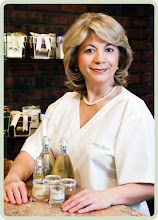
 A crucial part of my training as a licensed esthetician in my native Romanian was learning to look at the skin as a “mirror” that reflects an individual’s overall health and well-being. As a result, I often recommend changes in diet and other aspects of my clients’ lifestyle or even a visit to their physician when my evaluation of their skin reveals signs of a physiological imbalance, stress, or a medical condition.

The various skin characteristics that I evaluate include its coloration. Unusual changes in coloration may be linked to physical problems ranging from pigmentation disorders and nutritional deficiencies to a variety of serious diseases. To help you become more attuned to the important health messages conveyed by our skin, I’ve outlined the major types of coloration problems and their possible causes below.

Whiteness—The causes of extreme paleness  include iron deficiency anemia, circulatory congestion, respiratory problems, various genetic conditions, and vitiligo, a pigmentation disorder that may be triggered by severe sunburn, emotional distress, and other types of stress or trauma. In addition to causing self-consciousness and embarrassment, vitiligo may in some cases indicate an autoimmune disorder, genetic syndrome, or disease. Decreased pigmentation may also be a side effect of some drug treatments.  

Blue or purplish coloration—This skin tone is linked to cyanosis, a serious condition caused by impaired circulation. Cyanosis indicates a lack of sufficient oxygen in the blood. People with asthma and other respiratory problems may also have bluish skin.

Yellow skin—Jaundice , or yellowing of the skin, is a symptom of serious gallbladder or liver problems that should be investigated by a physician.

Orange tone—The causes of orange skin range from eating too many carrots or other foods with high levels of beta carotene to a genetic condition that leads to excessive iron levels in the blood.

 Redness—A variety of skin conditions including rashes, rosacea, and dermatitis can cause redness. In other cases, redness occurs when a rapid heartbeat causes swelling of the capillaries, bringing a rush of blood to the skin. Excessive consumption of alcohol or spicy foods, as well as some types of hypertension, can also redden the skin.

Skin darkening—Many cases of increased pigmentation result from free radical damage caused by sun exposure and environmental toxins. Some cases of skin darkening may indicate a serious health problem such as Addison’s disease or scleroderma.

As you can see, a number of the conditions I’ve outlined are related to what we eat and to the functioning of our circulatory system--two aspects of wellness that have long been a major focus of holistic medical traditions. A recent study by British researchers on healthy skin color has now lent additional weight to the importance of eating foods rich in antioxidants and maintaining circulatory health. Participants in the study used a software program to optimize the skin tones of faces displayed on a computer screen. The results showed that the complexions the participants considered the healthiest and most attractive looking typically displayed a balanced combination of two skin tones: the golden pigmentation gained from eating a diet high in fruits and vegetables and the rosy glow provided by healthy blood flow and oxygen levels in the skin. Although this particular study was limited to Caucasian skin, the skin tones of all races display similar variations in brightness and tone. To me, these research findings are yet another example of how modern science is deepening our understanding of traditional intuitive approaches to “reading” the skin for clues to internal health. 

Labels: , , ,

Friday, November 6, 2009

White Tea Part II: Good for What Ails Aging Skin


As with many components of a healthy diet, white tea benefits our skin not only when we consume it, but also when we apply it topically. The white tea leaf extract in my LaVie Organique™ formulas contain several substances that play an important role in promoting healthy, young-looking skin. In addition to the antioxidant flavonoids I discussed in my last blog spot, white tea also contains alkaloids. Alkaloids are used to treats variety of skin diseases, including psoriasis, acne, dermatitis, rosacea, and squamous cell cancers.


The alkaloids in white tea include caffeine, theobromine, and theophylline. These three chemical compounds, referred to as xanthines, form loose bonds with the flavonoids in tea, increasing their antioxidant effects. In addition to contributing to the repair of free radical damage, xanthines help improve circulation, flush waste products from cells, reduce inflammation, and fight infection. These combined effects promote healthy, young looking skin in several ways.

Scientists have found evidence that topical application of unfermented tea fights photo-aging and skin cancer and works synergistically with sunscreen to boost sun protection. Because chemical reactions between the synthetic compounds in many sunscreens may alter the tea’s anti-inflammatory and antioxidant effects, my Day Cream formula combines organic white tea leaf extract with zinc oxide, a powerful natural-mineral sunscreen that is chemically inert.

Skin biopsies have shown that the antioxidants and xanthines in tea also help boost production of collagen and elastin cells. As we age, the rate at which these cells replace themselves slows, causing the network of collagen and elastin fibers that give our skin its shape, texture, and resilience to weaken. The result is sagging, wrinkled skin. While applying products that contain collagen won’t help—collagen molecules are too big to penetrate the epidermis—using treatments with ingredients that promote healthy cell renewal and that our skin can absorb can help improve the appearance of sun-damaged, aging skin.


Labels: , , , , , ,

Sunday, October 11, 2009

The Three Faces of Exfoliation: Part 1


With so many exfoliating treatments on the market, how should you go about choosing one? The answer depends on a variety of factors—particularly your skin type. Although the number of products is endless, most of them fall into one of three categories. Let’s start with a look at the pros and cons of the hands-on approach:


Manual or Mechanical Exfoliation

For routine exfoliation, I recommend a gentle daily cleanser with a mild exfoliant such as white willow bark. A natural alternative to salicylic acid—an ingredient in many acne medications—this powerful but safe botanical extract is also an anti-inflammatory that stimulates and purifies the skin while also calming irritation.

You can use your fingers to massage your cleanser into the skin. If your complexion is very robust, you may want to use a washcloth or sponge to increase the exfoliating effect. But remember to be gentle—the last thing you want to do it over-abrade your skin. And remember to wash your washcloth or sponge with hot, soapy water after each use. Stay away from stiff complexion brushes or loofahs—which are not only too rough, but also tend to trap bacteria and product residue that can cause breakouts and infections.

At the high-tech end of this approach, there are a number of vibrating complexion brushes. These vary in quality and can be as expensive as $200. The best ones can help keep a healthy complexion glowing, but individuals with acne, rosacea, or fragile skin with broken capillaries, should steer clear of this type of device. Your complexion should be handled with the utmost care.

What about facial scrubs? First of all, check out the ingredients. The good, the bad, and the ugly sides of exfoliation ultimately reside in the various type of scrubbing grains used in these products. Many types of granules are so large and jagged that they can cause microscopic lacerations on the skin surface. Surprisingly, the grains used in some types of all-natural scrubs are the worst offenders. Ground apricot pits as well as crushed nutshells, for instance have been cited by the Environmental Working Group  as potential skin-health hazards. As a natural alternative, finely ground nutmeats such as almonds or walnuts combine gentleness and safety with the restorative benefits of antioxidants.

To supplement these daily and weekly methods of hands-on exfoliation as you're preparing your skin for winter, you might want to try a course of professional microdermabrasion treatments. Performed by an experienced professional with state-of-the-art equipment, microdermabrasion is far safer and more effective than at-home methods. A good esthetician understands exfoliation is not an end in itself—the delicate layer of new skin that’s revealed needs to be soothed, moisturized, and replenished with nutrients. And don’t forget to protect your baby-fresh skin! A good sunscreen with at least SPF 15 will help keep your complexion rosy instead of red.

Labels: , , , , , , ,